City Commissioner Dustin Fraticelli responds to questions concerning his candidacy for reelection.
The two candidates running for Place 3 on the Vernon City Commission are incumbent are Don Aydelott and Adrian Esquivel. The Place 4 commission candidates are incumbent Dustin Fraticelli and Jason Goodrum. The candidates
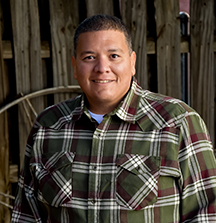
Place 4 Commissioner Dustin Fraticelli
were asked to complete questionnaires regarding their candidacy. Incumbent Commissioner Dustin Fraticelli and Don Aydelott have both responded as of April 25.
***OTHER CANDIDATES QUESTIONNAIRES WILL BE PUBLISHED UPON RECEIPT BY THE VERNON RECORD.***
Below is Fraticelli’s completed questionnaire:
What inspired you to run for city council, and what personal experiences have prepared you for this role?
As your current City Commissioner for Place 4, my decision to get involved in city government came after a specific incident in my neighborhood made it clear that we, as a city, had room to improve — not just in how we handled citizen issues, but in how we treated citizen concerns. That moment sparked a deeper desire to serve and be part of the solution.
Through my ongoing commitment to community service organizations and my involvement in numerous volunteer projects around Vernon, I’ve had the opportunity to see, hear, and experience firsthand the needs of our residents. These experiences allow me to bring valuable insight back to City Hall — helping us not only respond to current challenges, but also anticipate and plan for future needs. Serving on the council is about being connected, being present, and being a voice for the people — and that’s exactly what I strive to do.
What do you see as the most important issue facing our community right now?
As the economy grows, so do the costs of goods and services — and that impacts both the City and our citizens, who are feeling it at home. One of the most important issues we face is maintaining a healthy fund balance while continuing to provide a high quality of life for our residents.
As costs rise across all areas of city operations, we must remain committed to maintaining and improving our infrastructure. A key responsibility of any commissioner is to be well-versed in our city’s finances. Understanding the budget inside and out not only ensures that we spend wisely, but also allows us to grow our resources responsibly — continuing to meet the needs of our citizens and support our dedicated city staff.
Local Issues:
What are your plans for improving local infrastructure (e.g., roads, utilities, broadband access)?
Over the past several years, our City Commission has taken major steps to improve Vernon’s infrastructure. We approved a $12 million Certificate of Obligation to replace 7 miles of aging waterline, originally installed in 1953. In addition, we will soon review and possibly approve another 1.5 miles of waterline replacement. The city was also awarded a $2.9 million EDA grant — with a $1 million local match — to replace an additional 3 miles of waterline. These projects will complete the full replacement of our primary water supply lines, ensuring a reliable water system for decades to come.
At our Wastewater Treatment Plant, approximately $5 million has been invested in maintenance and repairs over the past several years. While this facility may not be top of mind for most residents, it plays a critical role in protecting public health and maintaining environmental standards.
Street and waterline improvements have also taken place on Gordon Street on the east side of town through a $275,000 grant. Our city also continues its 7-year rotating street maintenance plan, which includes a $425,000 annual seal coat program to preserve road conditions citywide.
We’ve recently reviewed new technology that may eventually replace our nitrate plant — a key component in improving water quality. Additionally, the replacement of our transfer station has allowed citizens better access to safely dispose of debris and unwanted items.
Through strategic investments and forward-thinking solutions, we are ensuring our infrastructure is built to last and can support future growth.
How do you plan to support local businesses and encourage economic growth in our area?
As a Main Street community, supporting our local businesses is essential. I believe in showing up — whether that’s attending their events, promoting their services, or addressing their needs. When we support them, they support us. Their success is our community’s success, and I’m committed to keeping that partnership strong.
Additionally, I believe in fostering partnerships between the City and local businesses through open communication, collaborative planning, and timely response to their needs. Whether it’s a downtown event, a ribbon-cutting, or a conversation about future expansion, I’m there — not just as a commissioner, but as a neighbor and advocate who wants to see them succeed.
Our local economy is only as strong as the support we give it. That’s why I actively promote shop-local initiatives, back community events that bring foot traffic to our business districts, and support infrastructure projects that make doing business easier — such as road improvements, utility upgrades, and the redevelopment of underutilized areas.
What is your stance on land development, and how do you balance growth with maintaining the rural character of our town?
Any time we have the opportunity to develop land — especially city-owned property — we should strongly consider it. Responsible development promotes economic growth, creates jobs, and increases property and sales tax revenue. A great example is the recent project to transform the old Gibson’s lot into a TA Travel Center. What was once a vacant, city-maintained property will now generate long-term revenue and bring much-needed jobs to our community through an abatement agreement.
Development is key to progress, but it must be balanced with preserving what makes Vernon special. While we continue to grow, our rural character and small-town charm will always be at the heart of who we are — and that will never be lost.
With agriculture being a significant part of the local economy, how do you plan to address issues facing farmers and ranchers?
Wilbarger County and the surrounding areas are rooted in agriculture — it’s a driving force behind our local economy and way of life. Just like any other sector, our farmers and ranchers face challenges, from economic hardships to drought and supply issues. As a commission, we must always be willing to listen, collaborate, and support those who work the land.
Strong communication and partnerships are key. Whether it’s ensuring rural infrastructure is maintained, supporting access to necessary resources, or simply sitting down to understand their concerns, I believe we must work side by side with our agricultural community. If we can support them, we should — because they’ve always supported us.
Community Well-being:
What steps will you take to ensure that our community remains safe and that public services like police, fire, and emergency medical services are adequately supported?
As both a citizen and your City Commissioner, I’ve always stood in strong support of our first responders. Each budget season, we work hard to prioritize their needs — from staffing to equipment — to ensure they have the tools and resources to keep our community safe.
For Vernon PD, we implemented a training program that pays for local recruits to attend the police academy while earning a paycheck. This initiative, led by our police chief and fully supported by the commission, helps us recruit and retain officers who are committed to serving Vernon long-term.
With Vernon Fire and EMS, we’ve worked closely with the Fire Chief to bring staffing up to proper levels and have invested in new fire apparatus and ambulances that were long overdue. These are critical steps in maintaining a responsive and reliable emergency service.
Public safety is also about partnerships. We’ve made great strides in fostering relationships with surrounding agencies, understanding that Vernon is part of a broader Wilbarger County community — and we’re stronger when we support one another.
How will you prioritize education and support local schools in our area?
Education is vital to the future of our community, and Vernon ISD plays a key role in preparing the next generation of leaders. The City of Vernon and Vernon ISD have built a strong working relationship, and leaders like Dr. Ward and Mr. Boswell know they can call on us anytime for support — whether it’s a community initiative, school event, or athletic program.
Personally, I remain actively involved in our schools. I serve on the board of the Vernon Athletic Booster Club and volunteer at PTO events alongside my wife, giving parents the opportunity to enjoy time with their children. Even without children of our own in the district, we believe in showing up, giving back, and being part of what helps our schools succeed. Community involvement and education go hand in hand — and I’ll continue doing all I can to support both.
Environmental & Sustainability Issues:
What is your stance on environmental conservation, and what measures would you advocate for to protect our natural resources?
I believe environmental conservation is about being a responsible steward of the resources we all depend on — water, land, and air. In a rural community like ours, where agriculture and open space are part of everyday life, protecting our environment means protecting our way of life.
I support practical, sustainable efforts like improving water infrastructure to reduce waste, promoting energy-efficient upgrades in city facilities, and maintaining our parks and green spaces for future generations. It’s also important that we continue to work with state and local partners to ensure that conservation measures make sense for Vernon — balancing environmental responsibility with economic practicality.
Protecting what we have now ensures that Vernon remains a great place to live, work, and raise a family for years to come.
With droughts and water shortages becoming more frequent, how would you approach water management for our town?
Water management is critical, especially in times of drought. As a city, we’ve made significant progress by upgrading our water lines and well pumps from the Odell Fields — our primary water source. Our Water Department does an outstanding job maintaining and repairing infrastructure daily to ensure system reliability and efficiency.
Through these improvements, we’re actively eliminating water waste and strengthening our ability to manage supply during dry periods. We also have a drought contingency plan in place to guide conservation efforts. But water management is a shared responsibility — and by staying informed and using water wisely, every citizen can help us protect this vital resource.
Governance & Transparency:
How will you ensure that the city council is transparent and accountable to the community?
Transparency and accountability are essential to good governance. As a city and commission, we strictly adhere to laws designed to ensure open government, including the Texas Open Meetings Act (Chapter 551 of the Government Code) and the Texas Public Information Act (Chapter 552). These laws help us maintain transparency in all city operations.
Citizens are encouraged to attend our City Commission meetings in person or watch them live via Facebook, where we stream each session for broader access. Meeting agendas are posted publicly, and residents are welcome to participate and stay informed on city matters.
Additionally, any citizen can request public information through an Open Records Request, which can be submitted in writing to our City Secretary, who serves as Vernon’s Public Information Officer. These processes ensure that residents not only have access to information but are part of an open and accountable government.
What steps would you take to improve communication between the council and residents, especially in a rural community where access to information can sometimes be limited?
In a rural community like Vernon, strong communication is key to building trust and keeping our citizens engaged. Communication with the public isn’t just helpful — it’s essential to winning our citizens over and keeping them informed on the work being done on their behalf.
We’ve made great strides by live-streaming our City Commission meetings on Facebook, posting agendas in advance, and providing access through Open Records Requests, in accordance with the Texas Open Meetings and Public Information Acts. In addition, our city is utilizing monthly newsletters and social media platforms to communicate updates, events, and announcements — ensuring information reaches more people, more often.
Our city staff is encouraged to actively share updates and keep Vernon informed. As a City Commissioner, and alongside our administrative staff, our phone lines are always open. Whether it’s a concern, a question, or a suggestion — we’re here to listen. Good government starts with good communication, and that will always be a priority for me.
What is your approach to budgeting and allocating city funds, especially when resources are limited?
My approach to budgeting is conservative, responsible, and focused on meeting the needs of our employees, citizens, and visitors. When resources are limited, it’s more important than ever to be strategic — prioritizing essential services, maintaining infrastructure, and supporting departments that serve our community directly.
As a commissioner, I believe in understanding the budget inside and out. Knowing where every dollar goes allows us to make informed decisions that protect our financial stability while still moving Vernon forward. I also support pursuing grants, state partnerships, and creative funding opportunities that help stretch our local dollars further without sacrificing service quality.
Budgeting isn’t just about balancing numbers — it’s about balancing priorities. That means taking care of our staff, investing in long-term projects, and making sure we continue to deliver the services our citizens rely on every day.